What is Experiential Retail?
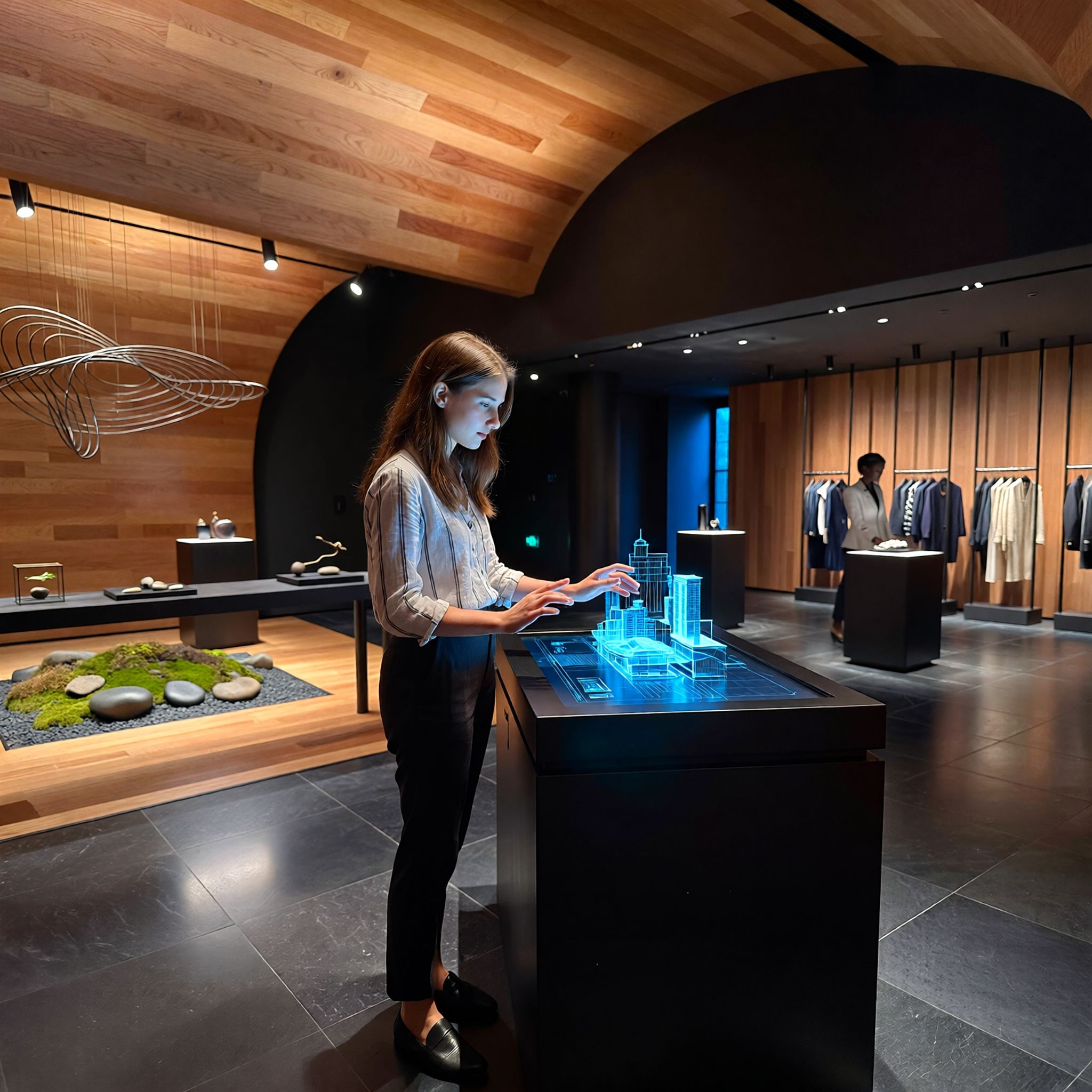
Experiential retail is a strategy that is pushing interactions past transactions. Instead of customers entering, picking items, paying, and leaving, stores are building an environment, in-store activities, sensory elements and technology touchpoints to make the visit more memorable and interactive. The store emphasizes customer engagement, immersive designs, customization and blending physical elements with digital infrastructure. While customer service solves problems, experiential retail creates anticipation and memory before and after purchase.
As per Deloitte, 60% of consumers are more likely to repeat purchases after an engaging in-store experience.
According to TruRating, experiential retail refers to a retail strategy that does beyond mere transactions by creating interactive and memorable experiences for a customer within a retail store. Experiential retail trends include interactive displays, customized/ tailored services, in-store events, pop-ups, augmented/virtual reality, sensory design, and online-offline channels. The goal is to deepen loyalty and differentiate from the whole digital shopping experience.
Stores Using Experiential Retail to Engage Shoppers:
Mega retail brands are setting an example by changing the shopping experience and setting a trend. Several brands illustrate what engagement via experiential retail looks like.
- Nike “Nike By You”: Letting customers design their own sneakers. This level of personalization allows shoppers to encourage in-store experience. Stores report more than 20% higher repeat purchase rate (Forbes)
- Apple’s “Today at Apple”: Apples offers workshops, hands-on demos, classes to customers, converting passive browsing into an active learning and brand connection increasing footfall and dwell time by 13% year over year (Unacast, 2023).
- Farfetch: London store uses augmented retail solutions, smart clothing racks, smart mirrors, sign-in screens to pull up wish lists and browse previous purchases blending digital data with physical presence to improve in-store shopping. Farfetch reports a 60% higher conversion rate of customers.
- Huda Beauty: with 2.5 million+ instagram impressions and organizing pop-up events in Covent Garden, immersive, themed environment for new launches. From mirrored surfaces to theatrical designs amplifying their social media presence.
- Vans- House of Vans, London: blending retail space with musical, art, cafes and cultural events, building a loyal community and not just a store.
- IKEA sleepover event: letting customers stay overnight, testing mattresses, pillows etc. beyond curiosity, brand builds word-of-mouth publicity, visibility and memorable experience.
These examples may not always be a perfect implementation and at times cost heavily, and measuring ROI is hard, but they illustrate a path for brand visibility and trust for the long term.
Retailment And Its Role In Experiential Retail Today
Retailtainment refers to adding entertainment within retail- often a sub-set or overlapping concept with experiential retail. For example, events, performances, immersive displays, theme environments that attract, engage and delight shoppers beyond just product browsing. Retailtainment is shifting the perspective from wanting to go shopping to experiencing shopping.
In today’s experimental retail industry, retailtainment is often a key component proving to be a high ROI lever delivering values across business.
- Drive Traffic: fun and unique experience drawing even uninterested people.
- Increase engagement time: in-store experiences engage customers to stay longer and explore more, more likely to purchase.
- Social content: photo-ops and shareable content amplify brand’s social media read. Instagram, tiktok reach beyond the store’s physical limits.
- Emotional connect: experience with brand story, culture and value builds trust and makes the brand more human and resonates more.
Marvel’s Avenger S.T.A.T.I.O.N tour gives a glimpse into interactive, immersive brand building experience. Not just selling marvel merchandise but engaging young crows to build an affinity with the brand.
Retailtainment and experiential retail are complementary to each other, where experiential retail is broader associating a brand with immersive, interactive and emotional connection, retailtainment is goal oriented and focuses on entertainment drawing new or casual customers.
Experiential Retail Creating Experiences Beyond Shopping
The shopper behavior and expectations associated with a brand is changing. Here are some key shifts:
1. Higher Expectations for experience: Shoppers expect memorable visits, more than product variety and price. Retailers with interactive stores are outperforming consistently as compared to generic ones.
2. Omnichannel demands: The path to purchase starts from online browsing, reviews, social media and then physical stores. Customers expect consistency and experiential retail bridges this gap by online stock info in store, app integrations, seamless checkouts and possible buy online pick-up in stores, thus reducing friction and boosts conversion.
3. Higher dwell time, increase spend: Studies from Wavetec demonstrate that shoppers in well-designed experiential retail forces store to spend more time inside correlates to high conversion rates. Retailers report high transaction values when immersive elements are used.
4. Deeper loyalty and connect: with experiential retail brands foster a stronger loyalty. Workshops, community events and customization makes consumer values and reduce churn and improve customer lifetime value (CLV).
5. Feedback loops: As stores add interactive elements, digital displays and kiosks they are able to collect more data on customer preferences, opinions and queries. Retailers can define product placement, promotions and store layouts accordingly. TruRating points to customer feedback solutions to track signals in-store.
6. Sensory and aesthetic importance: lighting, aroma, materials and touch are the central to making a store feel engaging.
The future of Experiential retail
Looking forwards these trends will define and evolve with brands. Some key future directions include:
- Tech (AI/ AR/ Phygital) : real-time adaption in store, personalized offers guided by data to make suggestions. Virtual try-ons, immersive product demos and interactive brand world inside or adjacent to physical stores. Online and offline blending-apps tie in-store experience like ordering online, experiencing in store and using physical space as content engine. AI-driven personalization can boost revenues by 10-15% (McKisey)
- Values (Sustainability) : Shoppers are increasingly shifting towards eco-friendly designs, ethical sourcing, and transparency. Experiential retail will align with these values providing an edge. PwC reports that 50% of global consumers prefer brands to prioritize sustainability.
- Business (Measuring ROI) : investment in tools for feedback, analytics, measuring how experiential investments can translate to sales, retention of customers and average transaction value. Boston consulting groups found that brands that are tracking ROI from experiential retail saw a 20% uplift in customer retail.
At JMC, we advise retailers to experiment with small-scale pilots before scaling enterprise-wise experiential investments. Experiential retail has emerged as more than an experiment. For physical stores to remain relevant in this digital economy, it is essential to rethink a strategy to enhance the in-store experience from product centric to experience centric for customers. Retailtainment, personalization and phygital strategies will become core levers in this competitive retail world. CTOs, CXOs can invest in data and feedback systems to measure impact, experiment with small scale retailtainment and align physical and digital points for integration of seamless omnichannel.
Talk to JMC about the building experience- first retail strategies that merge data, design and technology. Business leaders should evaluate the current store models and think of redesigning the stores according to customer feedback, technology loops and organization culture.
For retail leaders, experiential retail is no longer optional. It’s a revenue driver, loyalty engine and competitive differentiator. The real question is not if but how fast you adapt?