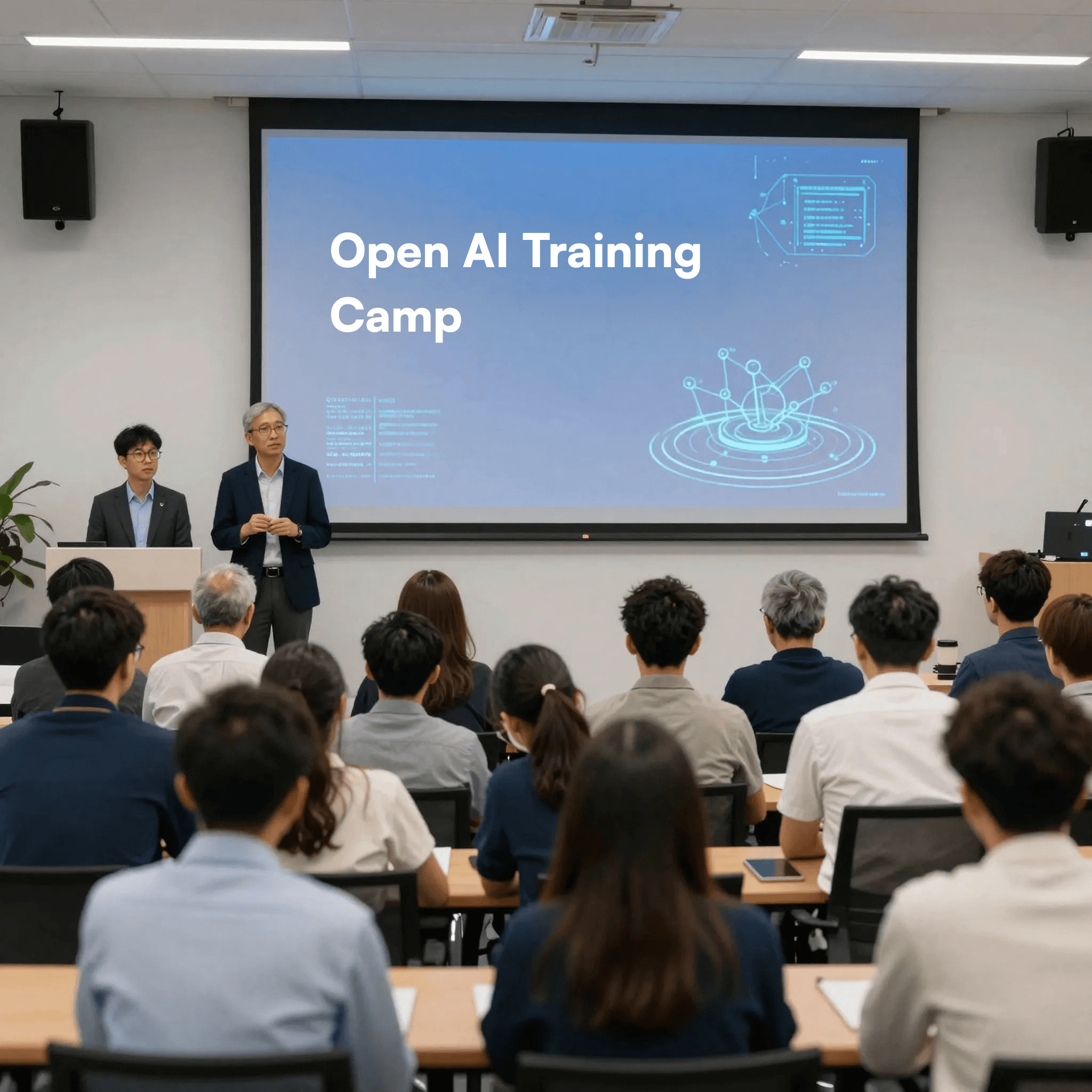
The Government of Odisha has collaborated with OpenAI to improve AI literacy and administrative taste to prepare for the next generation workforce for an AI-driven economy. This initiative primarily focuses on training students, government officials and administrative clerks in using practical AI applications. Thus improving the implementation of digital governance into institutional framework. The partnership reflects Odisha’s commitment to build a future-ready workforce while improving public service delivery through technology.
For CXOs, and business leaders, Odisha OpenAI partnership offers some valuable insights into how public-sector AI adoption can influence economic growth and digital transformation.
Odisha Open AI Partnership
This strategic partnership aims to introduce structured AI training programs into the educational institutions and government departments. This initiative is built to improve technical knowledge, and enable data-driven governance practices. This collaboration focuses on building an AI foundation and offering advanced training models for administrators and policymakers.
This intends to empower government officials to use AI tools for decision-making, citizen led optimization and policy analysis. Similarly, it helps students with AI skillsets with global technology trends. Students can use improving opportunities for employees and innovation potential.
This program includes:
- AI literacy and training modules for students
- AI adoption programs for officials
- Workshops and certificate programs
- Use of AI tools into governance workflows
- Practical application for AI
This approaches both academic institutions and administrative bodies, the Odisha OpenAI partnership is building an AI ecosystem with education, governance and workforce development.
Strengthening Digital Governance with AI
One of the primary objectives of the Odisha OpenAI partnership is to improve digital governance. The government usually faces pressure to deliver faster, transparent and citizen-centric services. AI has emerged as a powerful tool in doing so.
With the help of this initiative, government officials are being trained to use AI for:
- Policy Formulation
AI tools use real-time data analysis including demographics, economic and social data. This helps business leaders design a targeted program and optimize resource allocation.
- Process Automation
Administrative tasks such as documentation, citizen grievance management, and monitoring can be automated with the help of AI, thereby improving operational efficiency.
- Governance
AI-driven predictive analytics helps the government predict infrastructure needs, disaster management requirements and public service demands.
- Citizen Engagement
AI chatbots and virtual assistants improve citizen engagement, providing faster resolution and lowers administrative burden.
The Odisha OpenAI partnership is a growing trend where governments are transitioning from traditional service models to AI governance models.
Building AI-Ready Workforce
India’s demographic presents a significant opportunity for economic growth. However, the workforce remains a critical factor in sustaining global competitiveness. The Odisha OpenAI directly addresses this challenge by adopting AI into academic institutions.
Fostering AI literacy at the school level, Odisha is becoming a talent hub capable of supporting emerging technologies. This initiative strengthens the talent by producing graduates equipped with practical skill competencies.
Economic Implications
The Odisha OpenAI partnership has reached implications beyond governance and education. AI-driven workforce development initiatives can influence regional economic growth and expansion.
1. Startup Growth
Graduates skilled in data analytics and AI are more likely to engage in entrepreneurship and innovation to build a startup development.
2. Digitalization
Enterprises operating in sectors such as manufacturing, healthcare, agriculture, and financial services can benefit from the AI trained workforce capable of driving automation.
3. Investment
Regions with strong technology skills are more attractive to global investors and technology companies.
4. Job Opportunities
AI adoption helps generate new jobs across data science, automation, compliance, and digital infrastructure management.
This partnership is not for governance but a strategic economic development program.
Addressing AI Adoption Challenges
Despite the potential, AI adoption often faces barriers such as major skill gaps, infrastructure limitations and resistance to adoption. The Odisha OpenAI partnership challenges structured training, certificate programs and continuous learning models.
Key factors of the initiative:
- Practical AI applications rather than theoretical training
- Alignment of training modules with real governance challenges
- Integration of AI tools into daily operations
- Long-term institutional capacity building
These elements ensure sustainable adoption of AI and maximise its long-term impact of the initiative.
Conclusion
The Odisha OpenAI collaboration represents a forward approach to AI adoption combining education, governance, and workforce development into a unified transformation strategy. By empowering students and government officials with AI capabilities.
As AI continues to redefine industries and governance models, initiatives like these highlight the importance of future readiness and skill development. The collaboration also demonstrates how technology led education can create a long-term economic and social value.
JMC plays a key role in helping enterprises and public-sector institutions to leverage emerging technologies effectively.
Is your organization evaluating AI governance to improve workforce capabilities and operational efficiencies?