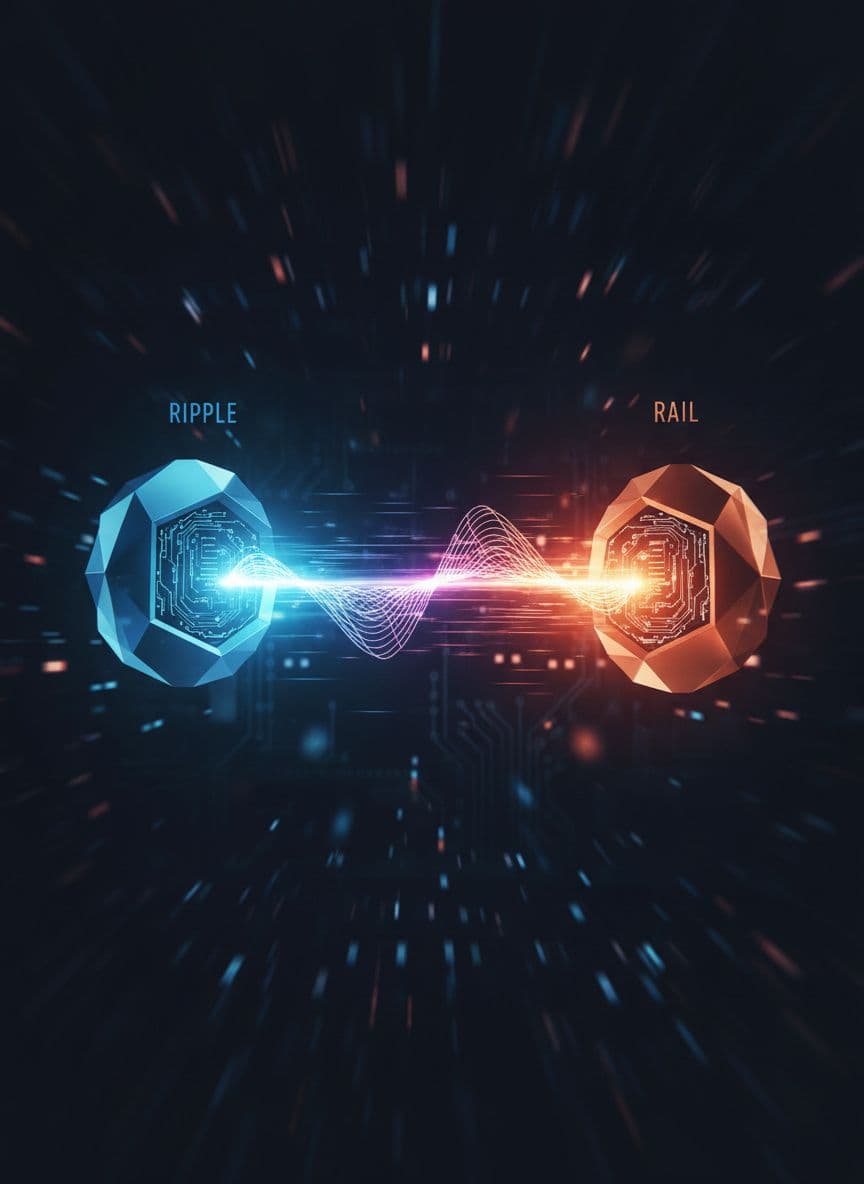
On August 7, 2025, Ripple announced its acquisition of Rail, a payment fintech firm, for $200 million, marking a strategic leap in stablecoin global payments. In a $36 billion B2B stablecoin market, Ripple’s $200 million acquisition of Rail signals more than expansion—it’s a bet on stablecoins as enterprise money.
Ripple’s purchase is rooted in a strategic decision of vision and potentiality. Rail, founded in 2021 by Bhanu kohli and Tarun Mistry, built a reputation of its own by connecting stablecoin with fiat systems using developer friendly API. According to FinTech Futures, in just 4 years, Rail captured 10% of the $36 billion B2B stablecoin payments market—an extraordinary feat for a startup with only $10.7 million Series A funding.
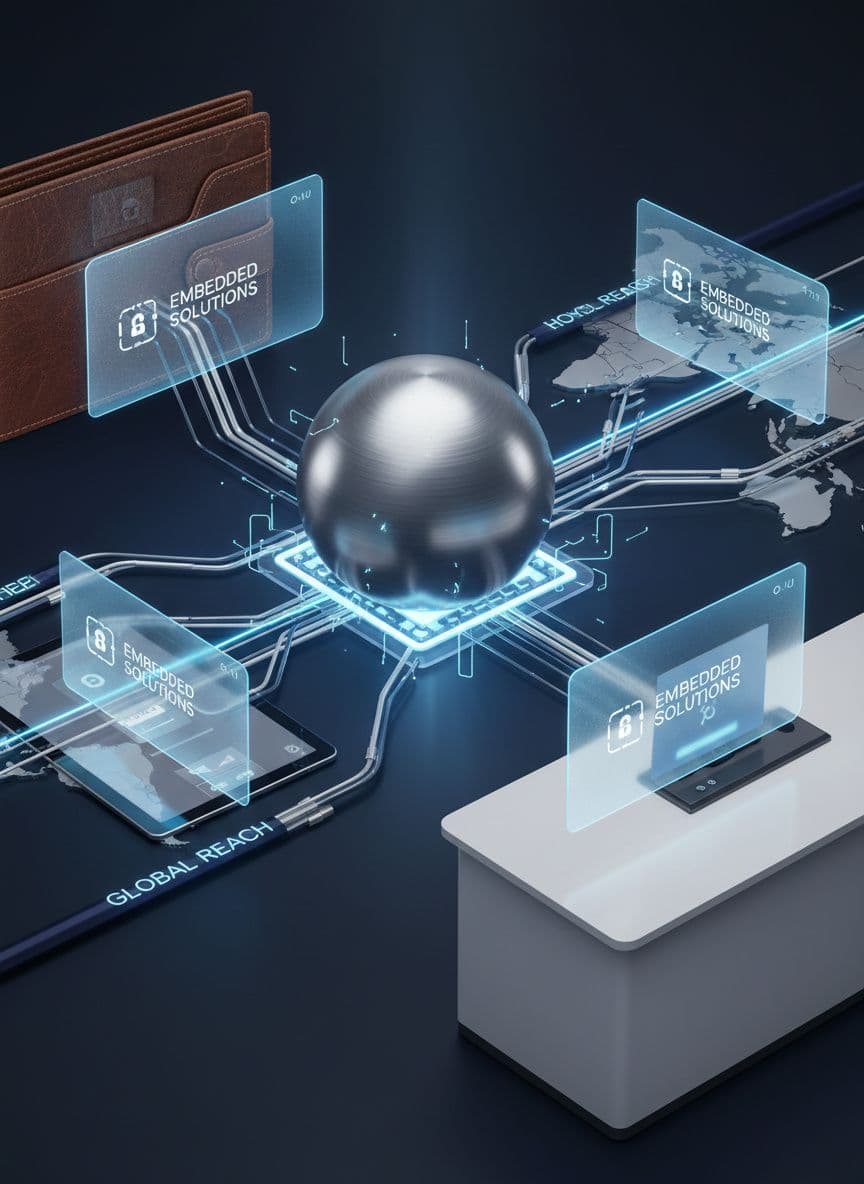
Ripple’s vast XRP Ledger network, 60+ financial licenses, and proven regulatory relationships turn Rail’s nimble API into a scalable enterprise-grade payments engine. By acquiring rail, Ripple enhanced its virtual accounts, back-office automation tools and operational feasibility.
What does Stablecoin mean?
For enterprises, stablecoins mean instant cross-border settlements, programmable treasury functions, and liquidity management without exposure to crypto volatility. They provide programmability, and transparency of crypto without the volatility factor which has scared many enterprises and leaders. For enterprises wanting to step foot into new currency this would mean instant settlement across currencies, elimination of interbank delays and flexibility for liquidity management without having to worry about price swings.
These transactions allow clients easy pay-in pay-outs without exposing their balance sheets to direct crypto holdings.
About Ripple
Ripple is known as the leader in enterprise blockchain and digital assets management. It offers easy payments, custody and stablecoin solutions supported by XRP ledger and XRP token. The company focuses on reliability, scalability, and compliance. It prioritizes financial institutions' needs with regulatory clarity. With licenses in numerous fields in finance and laborious work with leaders, Ripple has made itself an innovator of centralized finance and blockchain. Ripple’s RLUSD ($611M) remains small compared to USDC ($30B+) but is growing fast in enterprise corridors. Hidden Road expanded Ripple into prime brokerage; Rail expanded into enterprise payments. Together, they complete Ripple’s stablecoin stack.
Current market value of RLUSD is over $611 million, establishing itself as the sole challenger to current holders.
Monica Long, President of Ripple, at the acquisition of this monumental moment said “Stablecoins are quickly becoming a cornerstone of modern finance”. According to Ripple, they are positioned to drive the next phase of innovation by adopting stablecoins and blockchain as global payments.
About Rail
Rail adds a complementary and stable layer of payment to this collaboration. It bridges the gap between fiat and stablecoin ecosystems through a single API, enabling clients including fintech firms, payment service providers, neobanks and businesses to make transactions faster and cost-effectively. Instead of building fragmented payment rails across banks, fintechs and neobanks can now use Rail’s single API for fiat-to-stablecoin transactions—cutting costs and reducing settlement times from days to minutes.
According to Rail’s CEO Bhanu Kohli, this merger will be equally compelling as Rail built the fastest way to make international business payments using stablecoins and Ripple shares this vision. Rail platform handles 10% of global stablecoin based payment, a remarkable share of the industry estimated $36 billion in B2B volume in 2025.
Advantages of the Ripple-Rail Collab
This union has brought about some interesting set of enterprise advantages-
- Instant Settlement: Cross-border payments settle faster and lower cost than SWIFT, improving cash flow and reducing working-capital friction.
- Liquidity Choice: Flexible access to multiple digital assets (XRP, RLUSD, etc) allows enterprises to optimize liquidity and manage FX exposure.
- Enterprise Compliance: backed by 60+ financial licenses, providing assurance on regulatory adherence and risk management for CFOs and boards.
- Banking Partner Network: Multiple bank connectivity adds reliability and trust, reducing counterparty risk and ensuring payment resiliency.
- Plug-and-Play Integration: a single API supports payments, pay-outs, and treasury flows with no crypto expertise needed, accelerating time to market and reducing IT overhead.
For the Future of Stablecoins and Blockchain
Ripple-Rail acquisition leads to widespread acceptance of stablecoin. Combining Ripple’s infrastructure with Rail’s operational agility, enterprises can gain access to global networks, with the resilience of Blockchain powered payment methods. According to JMC, with time, as stablecoin will mature, they will become an integral part of the global treasury enabling cross border flows.
Strategic Insights for Technology and Business Leaders:
- Invest in multi-operational infrastructure that can interface with both fiat and digital rails simplifying expansion and risk management.
- Prioritize compliance with emphasis on regulated infrastructure and banking fail-safes for resilience in markets where operational vulnerability looms large.
- Leverage stablecoin for instant settlements and programmable money offering powerful opportunities for optimization and liquidity deployment focusing on global payments
- Be aware of vendor consolidation, where buying infrastructure that aligns with vision and strategy shifts.
- Explore partnerships of integration opportunities for seamless capabilities, similar arrangements through strategic decisions or API-led integrations.
Ripple finalized its acquisition with rail for $200 million, doubling down its mission to remove obstacles for global payments and embracing the trend of stablecoin as enterprise grade standard currency. This carefully crafted step of combining legal compliance, operational infrastructure, asset liquidity, and technology speaks to most enterprises looking to bring change.
This development gives a clear intimation of secure and accessible blockchain based payment adhering to compliance. Now is the time to evaluate how stablecoins can be integrated into financial operations. This gives seamless inter-operational collaboration and workflows between borders.
According to JMC, Ripple-Rail collaboration is one of its kind acquisitions providing the path for future such collaborations.