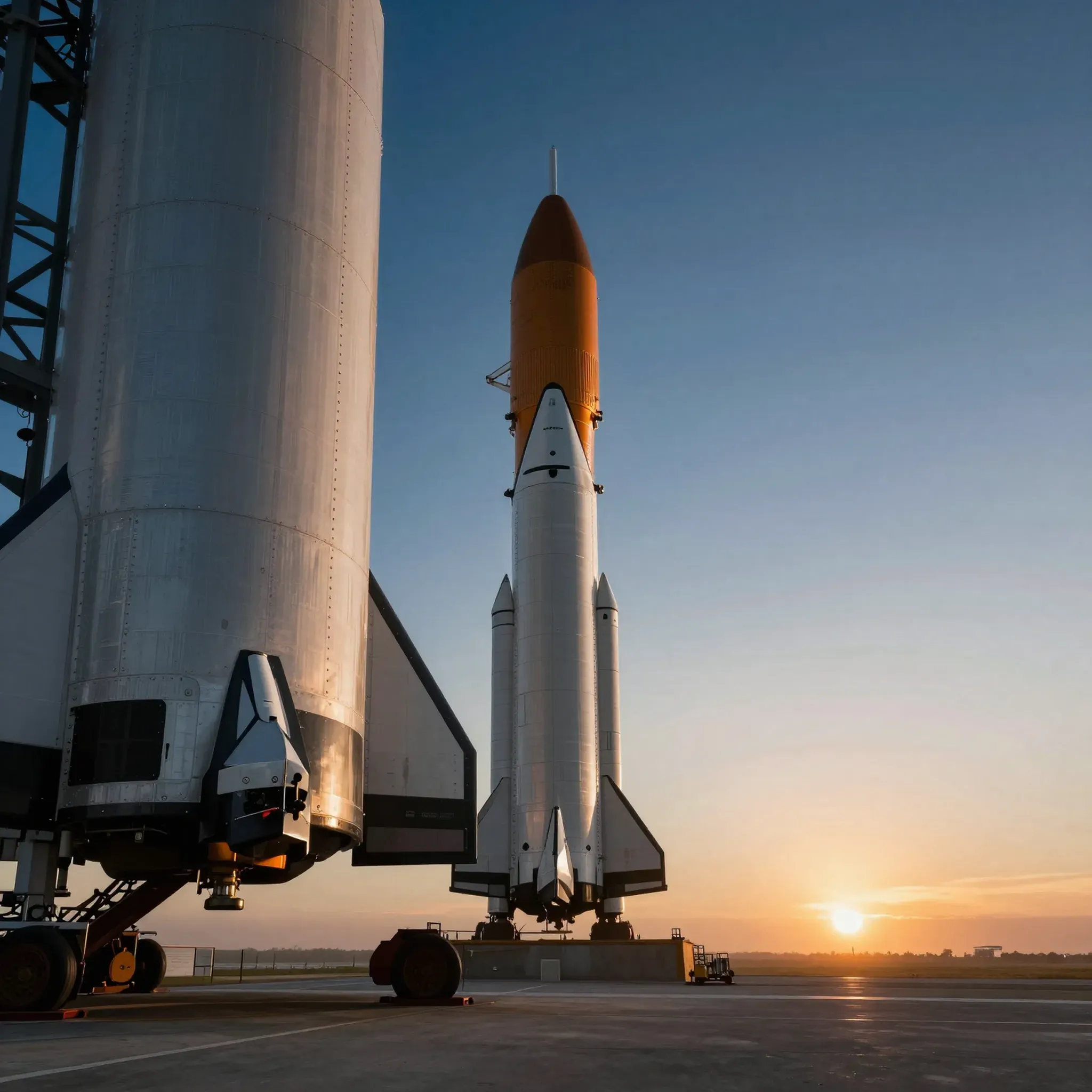
The global population of operational satellites have grown from around 3,400 in 2020 to more than 13,000 in 2026, with majority shares representing Starlink (Yahoo Tech). This has created an environment where space is no longer vast and empty but hurdled, risking operation safety where one collision can have a catastrophic impact.
In this context, strategic recalibration of Starlink satellite orbit, commonly referred to as starlink lower orbit 2026 is an engineering milestone. This signals how commercial space operators think about safety, risk management and maintaining stewardship in LEO.
The Urgency of Orbital Safety
For technology, telecommunications, aerospace and similar sectors, the decision to adjust satellite orbits isn’t a niche category but a strategic decision showcasing operational resilience.
The catalyst for this initiative is multi-faceted:
- A recent on-orbit anomaly which involves Starlink satellite generated debris and lost communications highlighting the consequences of spacecraft failures (Geo News).
- Near-misses with other satellites and uncoordinated launches have showcased the delicacy of traffic management in orbit.
- Congestion in orbital highways is increasing collision probability and by extension potential systemic failures leading to commercial and government constellation losses.
From a business point of view, these developments prompt how system risk, whether in digital networks or physical infrastructure, are intrinsically linked to safety practices and strategic design decisions. Space is becoming the ultimate frontier of risk management.
Rethinking Risk and Resilience
1. Reducing Collision Risk
The Starlink satellite orbit adjustment stems from a core responsibility: increasing safety isn't just about reducing the likelihood of failure but about reducing the consequences when failures occur. Operating at 480km places satellites in a region of LEO with less debris and less crowded orbital traffic.
This shift can have several downstream effects:
- Lowered probability of collision between Starlink and neighboring satellites
- Reduced long-term debris accumulation, known as the “Kessler Syndrome”, which is a risk of cascading collisions making parts of orbit unusable.
For executives this scenario is similar to cybersecurity, meaning architectural choices limit blast radii more effectively than simple reactive defenses.
2. Automating Safety
Lowering orbits also increase natural atmosphere friction, which acts like a self-cleansing mechanism. If a satellite fails or becomes non-operational, atmospheric drag at 480km will ensure the satellite returns back to orbit far more quickly, often months than years compared to higher orbits.
This helps enhance safety features and become analogous to self-healing systems and is distributed equally. Rather than relying on manual intervention, the system reduces exposure to risk through simple physics, a principle widely adopted by modern CTOs in building resilient IT architectures.
3. Performance Efficiency
Although safety is the primary concern of the orbit change, this shift also provides a secondary benefit, that is reducing signal latency. Being closer to Earth improves transmission signals, reducing delays in data processing, making it perfect for real-time services such as remote industrial operations and autonomous systems, and time-sensitive connectivity services.
Business leaders are evaluating connectivity investments with a dual benefit, reinforcing safety while enhancing service quality.
Strategic Lessons For Leadership from Starlink’s Orbit Shift
1. Safety as primary concern
CEOs and CTOs should recognise safety as not just a compliance task but a foundation for building a long-term operational system.
Starlink’s lower orbit 2026 is a proactive approach if not reactive. Organizations that integrate this principle can:
- Predict systemic failures
- Build resilience into infrastructure portfolios
- Align with regulatory expectations
2. Sustainability approach
Starlink’s orbit reconfiguration must be coordinated with the U.S Space command, regulators, and other satellite operators to avoid creating new congestion during the descent phase.
This points towards another strategic takeaway is interconnected domains, value creation and cooperation. Whether it’s space traffic management or cross-industry data sharing standard, collaboration enhances platforms value and safeguard assets.
3. Risk Insights into corporate governance
The aerospace industry emphasizes on orbital safety provides a powerful analogy for risk governance in other sectors:
- Space debris is similar to technical debt.
- Collision risk resembles systemic vulnerability
- Lower orbit function is architectural constraints rather than safer behaviours.
Leadership teams translate these analogies into their organizational context can increase risk management from operational discipline to a strategic differentiator
Conclusion
The decision by Starlink to lower its satellite constellation represents more than a technical adjustment but reflects on a deeper understanding in how frontier technologies must be governed. For leaders thinking ahead, it is important to embed safety into design and translate operational insight into strategies.
At JMC, we believe that strategic foresight is part of actionable insight. We help enterprises understand global technology developments as indicators of broader shifts and not just isolated headlines.
Is safety embedded in your organisation’s strategy or treated merely as a regulatory checkbox?